Marketing is not a priority during a crisis!

Marketingul nu e o prioritate în criză!
-și totuși, când celilalți tac, câștigă cine vorbește-
Articol de Roxana Hurducaș - Membru ARILOG & Managing Partner, Drivion, agenție de marketing strategic specială în transport & logistică
In any crisis, there comes a moment when marketing drops off the list of priorities. This is not because people fail to grasp its role, but because—compared to the immediate pressure regarding costs, cash flow, or operations—marketing seems like something that can be postponed without real consequences. The reflex is almost universal: we cut or scale back whatever doesn't yield immediate results, focus on what keeps the company alive, and return to the rest "once things settle down."
However, in recent years, things haven't really settled down. They shift, move from one crisis to another, and constantly reconfigure, yet they never return to a stable "normal"—certainly not the normal we all knew before 2020. And in this new-yet-not-quite-new context, I don't think the question is whether marketing still makes sense in complicated times, but rather whether it makes sense in times that are never again completely… uncomplicated.
The answer begins with a simple yet counterintuitive reality: during a crisis, the market does not disappear, but rather becomes more challenging—consumption drops, decisions are postponed, customers become more cautious and selective, and competition intensifies because the volume of opportunities has shrunk. In marketing, we call this effect "shrinking markets"—markets that are contracting, where every percentage point of market share becomes harder to win, yet also more valuable.
In such contexts, the temptation to cut back on marketing seems logical. If the market is buying less anyway, why invest in communicating more?
Yet, this is precisely where the distinction between a tactical decision and a strategic one arises. Although total volume may be dropping, the relative positions of competitors are not fixed. They shift and reconfigure; consequently, market share gained—or at least maintained—in a declining market acts as an investment with a multiplier effect once the market recovers. Growth will not be uniform for everyone; instead, it will favor those who remained visible and relevant while others faded from view.
A key reason why marketing is among the first things cut during times of crisis has less to do with the context and more to do with perception. For many, marketing is still equated with promotion—campaigns, visibility, "posts"—things that can seem easily dispensable when cost pressures mount.
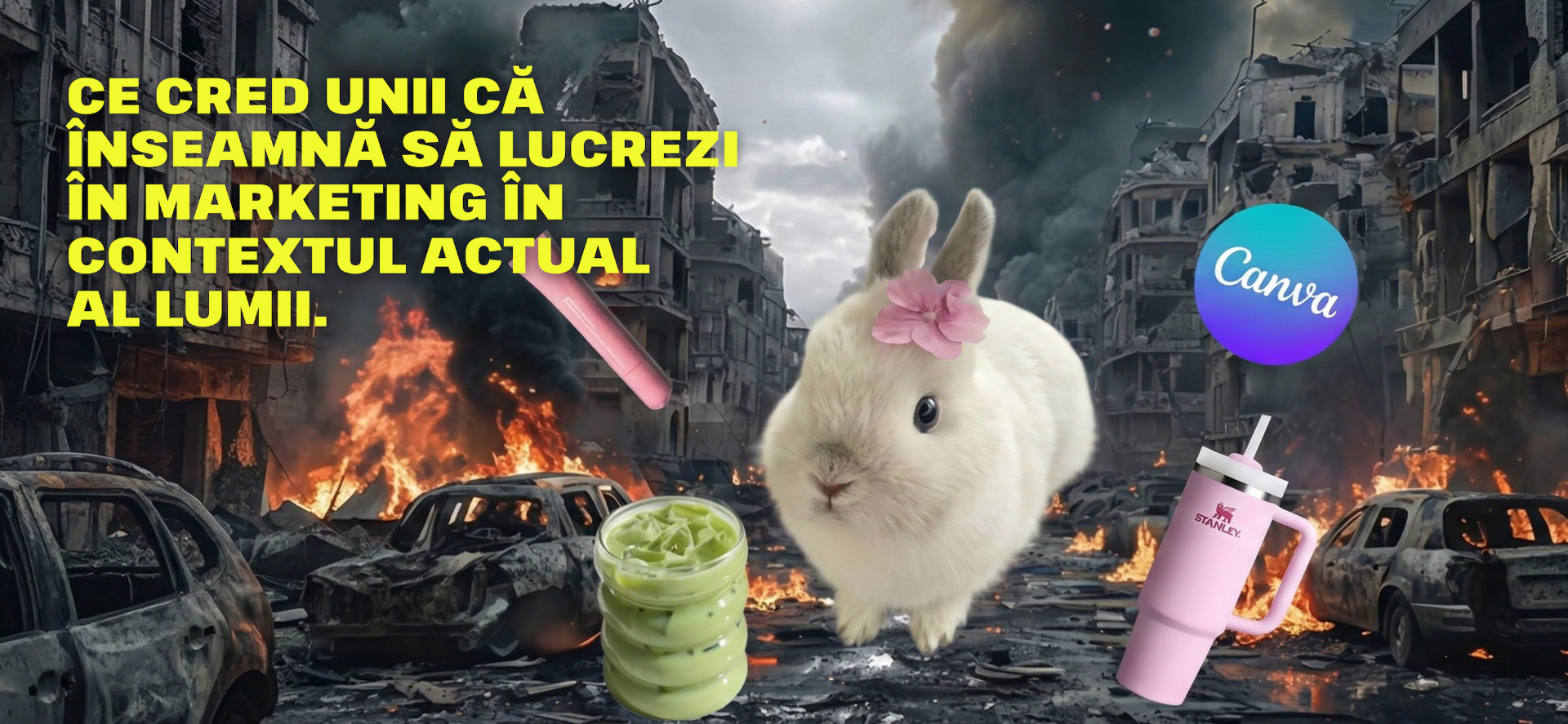
In reality, however, marketing is about commercial impact and relationship-building—the exact opposite of that perception. It is about remaining relevant to existing customers, reducing their uncertainty during the decision-making process, and building trust in a climate where people are more reluctant to buy yet more selective in their choices. Far from becoming less important during a crisis, these elements become essential.
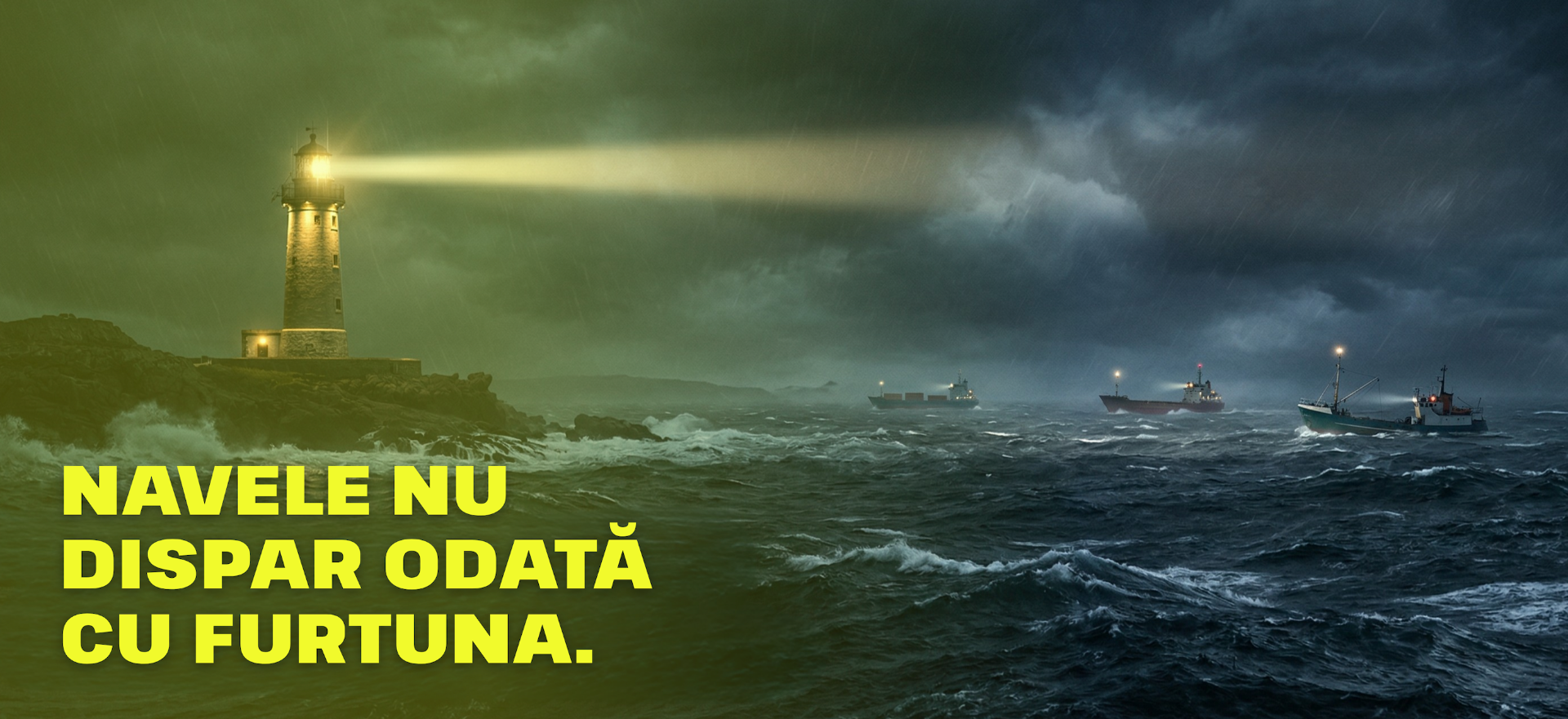
To simplify this dynamic into a metaphor, the market can be viewed as an ocean, and brands as lighthouses attempting to guide ships toward them. In calm times, everything is visible, crowded, and predictable: many lighthouses are lit and signaling constantly, while ships have multiple options and the time to choose. During a storm, however, the context shifts radically. Visibility drops, risks rise, and many lighthouses choose to go dark—not because they have nothing left to say, but because they opt to conserve resources or deem it pointless to communicate when "no one is buying anyway."
Yet ships do not vanish along with the storm. Some continue to seek a place to dock, albeit less frequently and more cautiously. Others make no immediate decisions but pay much closer attention to their surroundings—to who offers them stability and who remains visible amidst the difficulties. And what they see is not the entire market, but only the lighthouses that have kept their lights burning.
Continuing with the marketing during such times does not mean ignoring reality or pushing for sales with the same messages used during periods of growth; rather, it means understanding that the role of communication shifts during a crisis. It is no longer about volume, but about relevance; no longer about commercial pressure, but about utility, clarity, and consistency. It is the difference between trying to sell at any cost and becoming a point of reference for a customer navigating an uncertain landscape.
Brands that remain active during a "permacrisis" are not the ones that "shout" the loudest, but rather those that manage to stay close to the customer's reality: they explain, provide context, offer information and points of reference, and help people make better or more confident decisions.
Furthermore, as competitors withdraw, the "cost of attention" drops: for the same investment, you reach more people, more frequently, and amidst less surrounding noise.
At the same time, maintaining a presence is not merely a matter of visibility; it also sends a signal. Brand trust is built over time, and remaining active in a challenging environment conveys stability, continuity, and confidence in your chosen direction. This is a message perceived not only by customers but also by partners and even competitors.
Just as absence is never neutral. When a brand drops out of the conversation, the market doesn't assume it is simply "taking a break"; instead, it suspects a problem. A subsequent return involves more than just picking up where you left off—it requires extra effort to regain the ground lost during your absence.
Thus, in an environment where general noise levels drop because many choose to go silent, consistency becomes a competitive advantage, and brand memorability is built far more effectively than during periods of market saturation.
Conversely, dropping out of the conversation results in more than just short-term cost savings; it leads to a loss of visibility, relevance, and—ultimately—positioning in the customer's mind. That position cannot be instantly reclaimed when the market recovers, because decisions are never made from scratch; they are shaped by what people have seen, heard, and associated with the brand in the past.
Not every ship will dock during the storm, but almost all will remember the lighthouses that remained lit when guidance was needed—even if they weren't ready to make an immediate decision. And when conditions stabilize, the choice is no longer between all the players in the market, but between those who remained visible and those who did not.
Ultimately, in an era of "permacrisis," the key lies in your marketing approach and whether you choose to stay on your customers' radar. The market moves forward, even as it becomes more challenging, and the difference between those who grow in the aftermath and those who struggle to recover stems from the choices made during the crisis itself.

Contact:
Roxana Hurducaș - Managing Partner, Drivion
roxana@drivion.ro / 0754 661 620